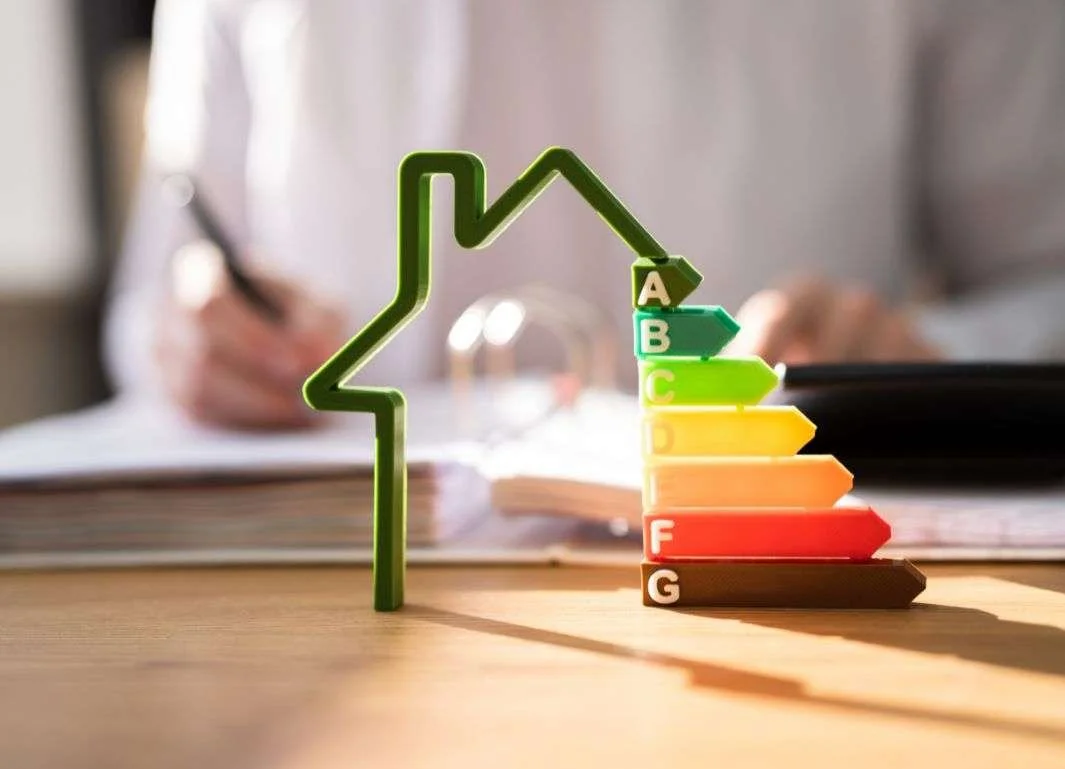
Building Energy Rating (BER)
A Building Energy Rating (BER) serves as a numerical gauge of a building’s energy performance, offering a standardized means to assess and compare energy efficiency. Typically depicted on a scale from A to G, with A representing the most energy-efficient and G the least, the BER takes into consideration various factors influencing a building’s energy consumption. These factors encompass insulation, heating systems, ventilation, and the integration of renewable energy sources. Qualified energy assessors evaluate these elements to calculate the BER, providing valuable insights into a building’s energy efficiency.
How does a Building Energy Rating (BER) support energy conservation?
provides a standardized metric for expressing a building’s energy efficiency, facilitating easy comparison and encouraging energy-conscious decisions in the domestic and commercial property market
furnishes potential buyers or tenants with information regarding a property’s energy performance
empowers homeowners to make well-informed decisions that can impact energy costs and contribute to environmental sustainability
is legally mandated, under Building Regulations Technical Guidance Document Part L when selling or renting a property, offering details about the building’s energy performance and suggestions for enhancing its energy efficiency.
is legally mandated under Building Regulations Technical Guidance Document Part L when building a new property
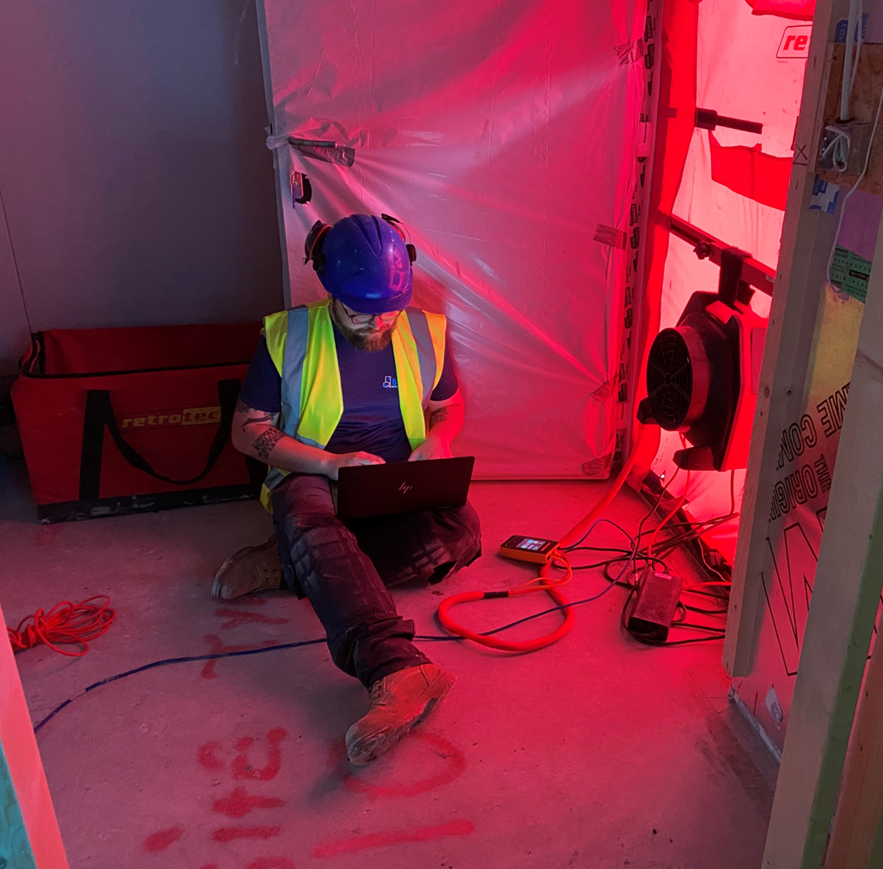
Air Tightness Testing
Air leakage testing, also known as air tightness testing or blower door testing, is a diagnostic procedure used to measure the extent to which air can unintentionally infiltrate or exfiltrate from a building. Air tightness testing or air pressure testing is mandatory for all new dwellings and must not exceed 5/m2/hr/m2 under the current Building Regulation Part(L)
The primary objective is to evaluate the air-tightness of a structure, identifying any gaps, cracks, or openings in its envelope that may contribute to energy inefficiency.
The air leakage test is carried out for the following reasons:
Assess the level of air tightness in a building.
Identify and quantify air leaks in the building envelope
Identify and address areas of air leakage to improve energy efficiency.
Enhance indoor air quality by minimizing infiltration of outdoor pollutants.
Improve overall thermal comfort and reduce heating and cooling costs.
Eliminate drafts and localised cold spots
Improving the efficiency of the heat recovery ventilation unit